hhêhehehe ring
Industrial Design + Accessories Design
Overview
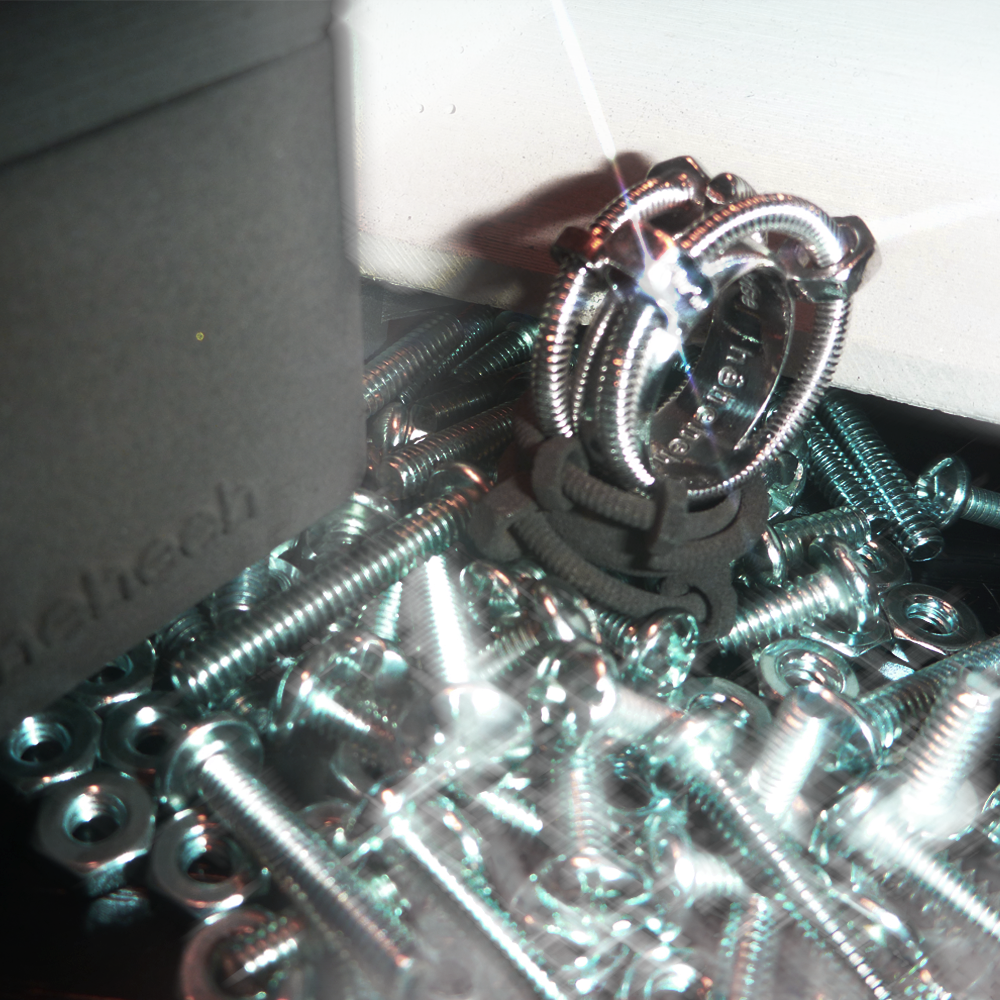
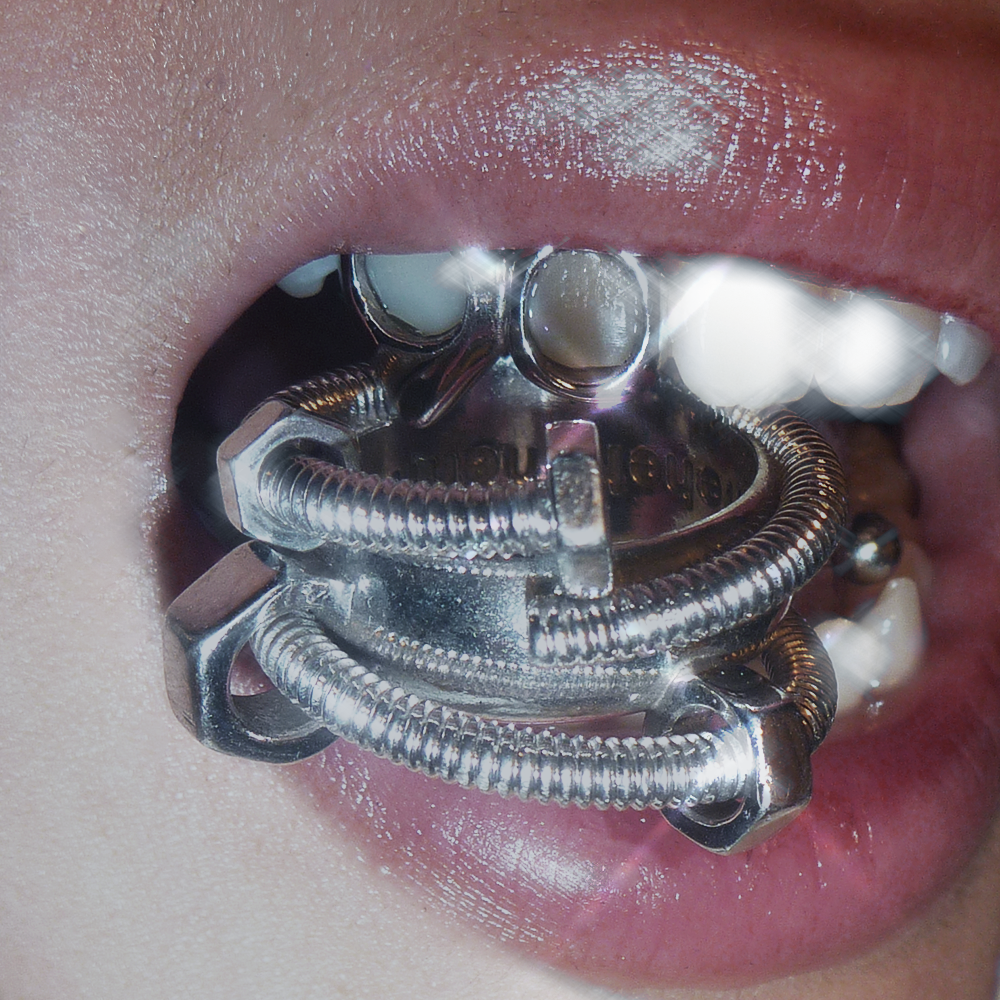
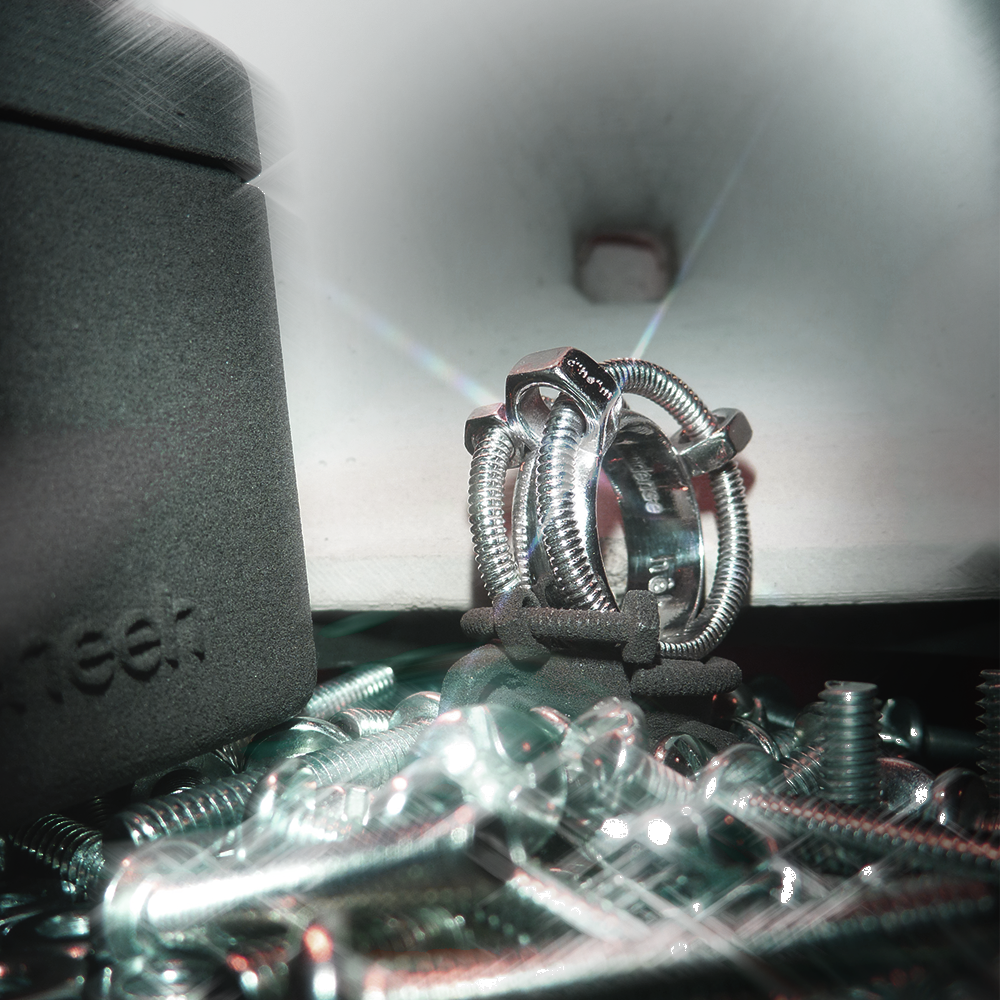
This ring is a reflection of my work as a product designer, where manual efforts shape the craftsmanship behind each creation.
In honor of the gritty, raw, and often overlooked industrial process behind it, the ring displays a contrast with a shiny silver material, blurring the line between luxury and humble machinery.
- Team
- Me!
- Timeline
- 3 months
- Status
- Completed!
Why should getting messy mean leaving style at the workshop door?
As a product designer, I am used to leaving the PROD lab covered in dust and paint. When a friend asked why I dressed up just to get messy anyway, I started asking myself why care, style, and intention had to stop at the workshop door, and why not instead.
BruteCraft: Looking at rawness and honesty as a design language.
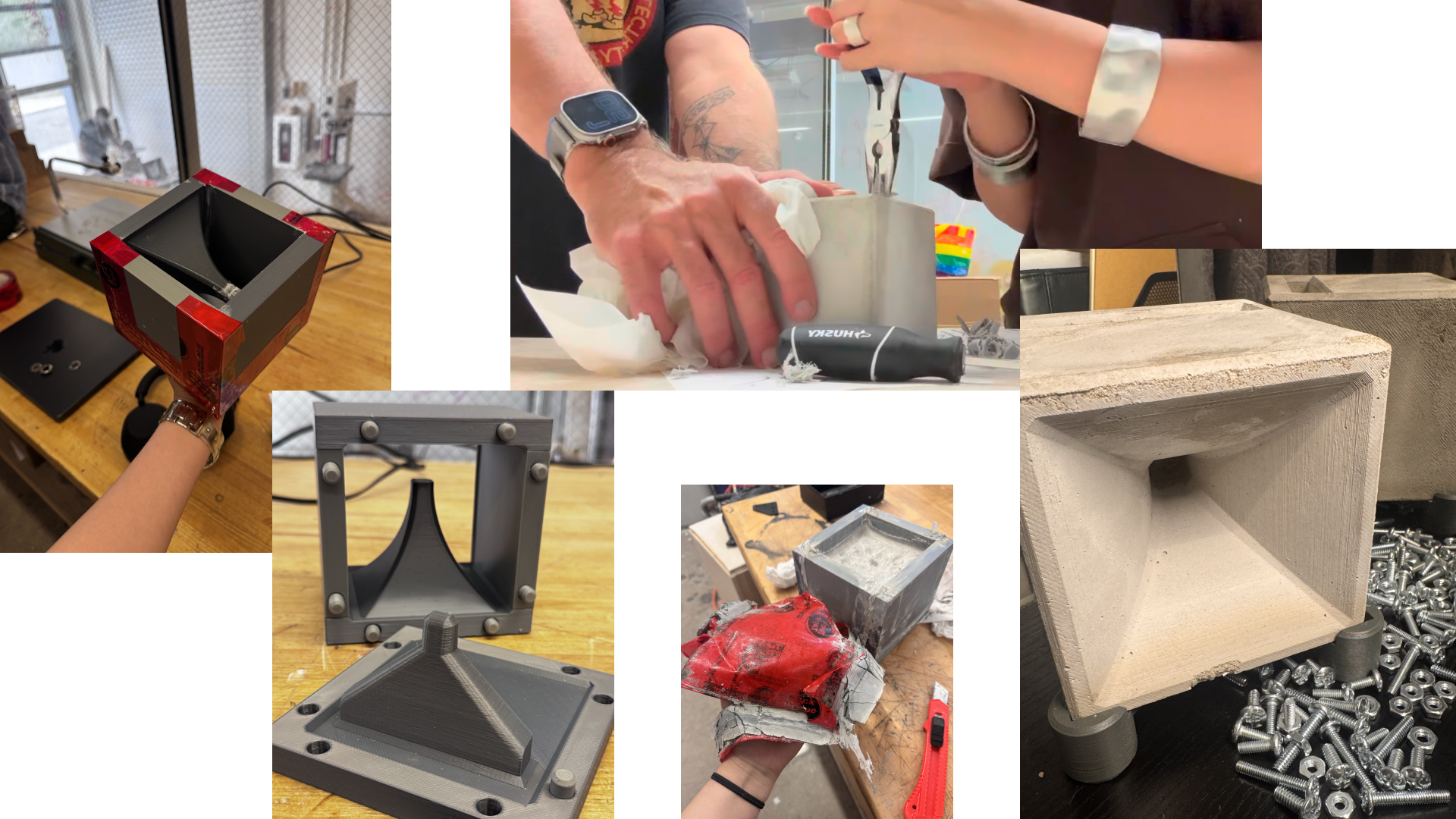
This problem connects to BruteCraft, a project I worked on with Professor Mike Glaser, which centers on rawness, material honesty, and the belief that good design comes from embracing purity, use, and the reality of making and process rather than hiding it.
Through that project, I had the chance to learn casting through hard materials by making a cement speaker that did not rely on electronics, only form and material. Working with cement taught me how much personality can come from the casting process itself: the weight, the surface, the imperfections, and the raw marks left behind. It helped me understand that rawness is not a flaw to cover up, but a part of design that can make an object feel more honest.
Turning workshop mess into something worth wearing.
This ring is a reflection of my work as a product designer, where manual efforts shape the craftsmanship behind each creation.
In honor of the gritty, raw, and often overlooked industrial process behind it, the ring displays a contrast with a shiny silver material, blurring the line between luxury and humble machinery.
I decided to make it as a full block of 925 silver to embrace the hardness and honesty of jewelry as an object. The quality of the material matters here: it gives the ring weight, durability, and a sense of permanence that connects directly back to the BruteCraft philosophy of respecting material truth instead of disguising it.
I also intentionally added a loose nut on the threaded form as a small fidget feature for ADHD people like myself. It gives the wearer something to touch, spin, and play with, but it also carries my own whimsical trait into the object: a serious industrial ring with one tiny part that refuses to sit still.
Prototype
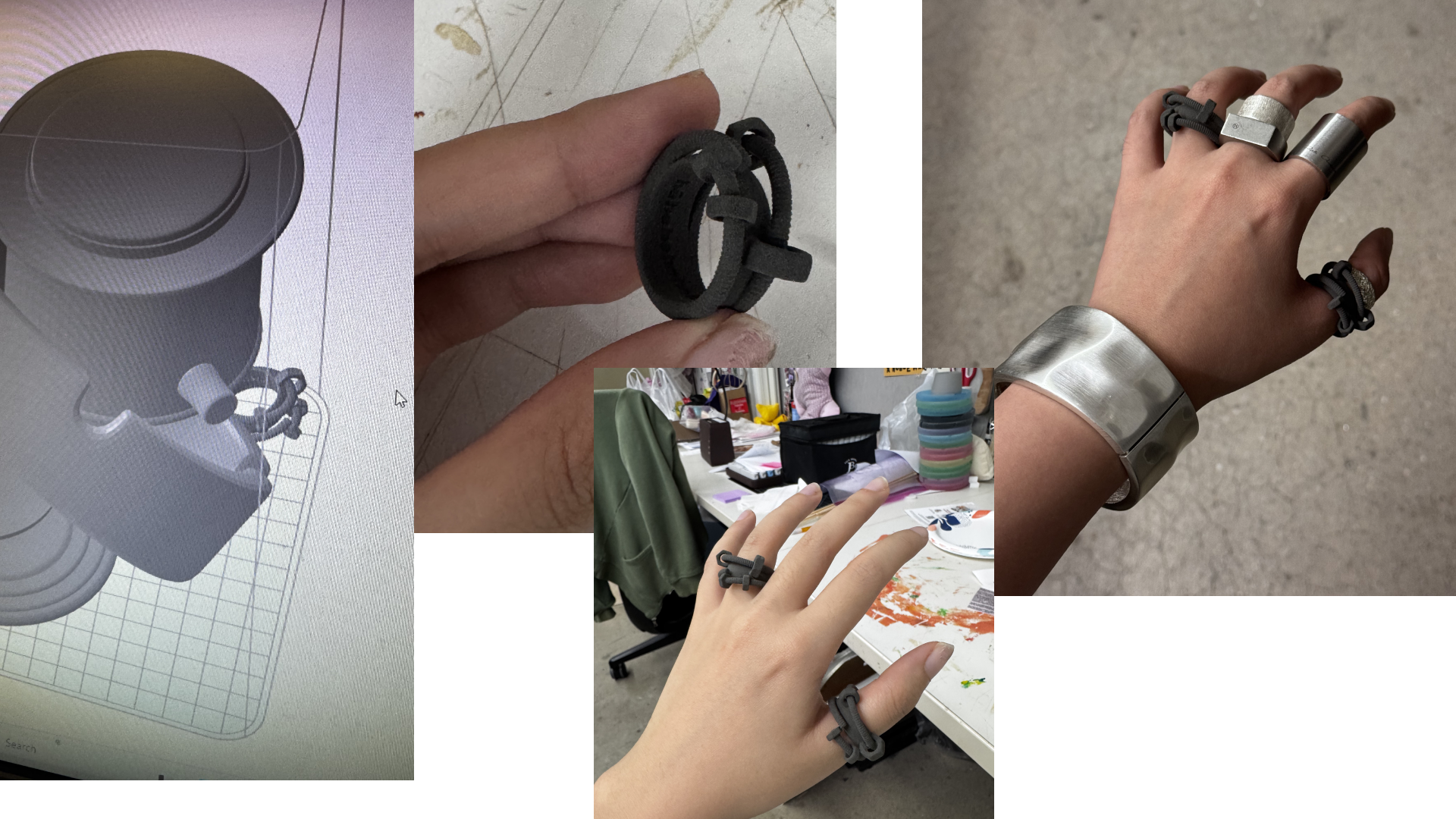
After measuring my fingers, I used a Formlabs nylon printer to test-print the ring and run a few fit checks on my own hand and with other users. I wanted to make sure there were no uncomfortable pressure points, sharp edges, or awkward contact areas before moving into the final material.
The nylon print also helped me test the loose nut detail: a small threaded piece that can move and work like a fidget feature on the ring. Printing it in nylon let me check that the moving part actually worked without needing the kind of support structures that other 3D printers would require.
The Ring
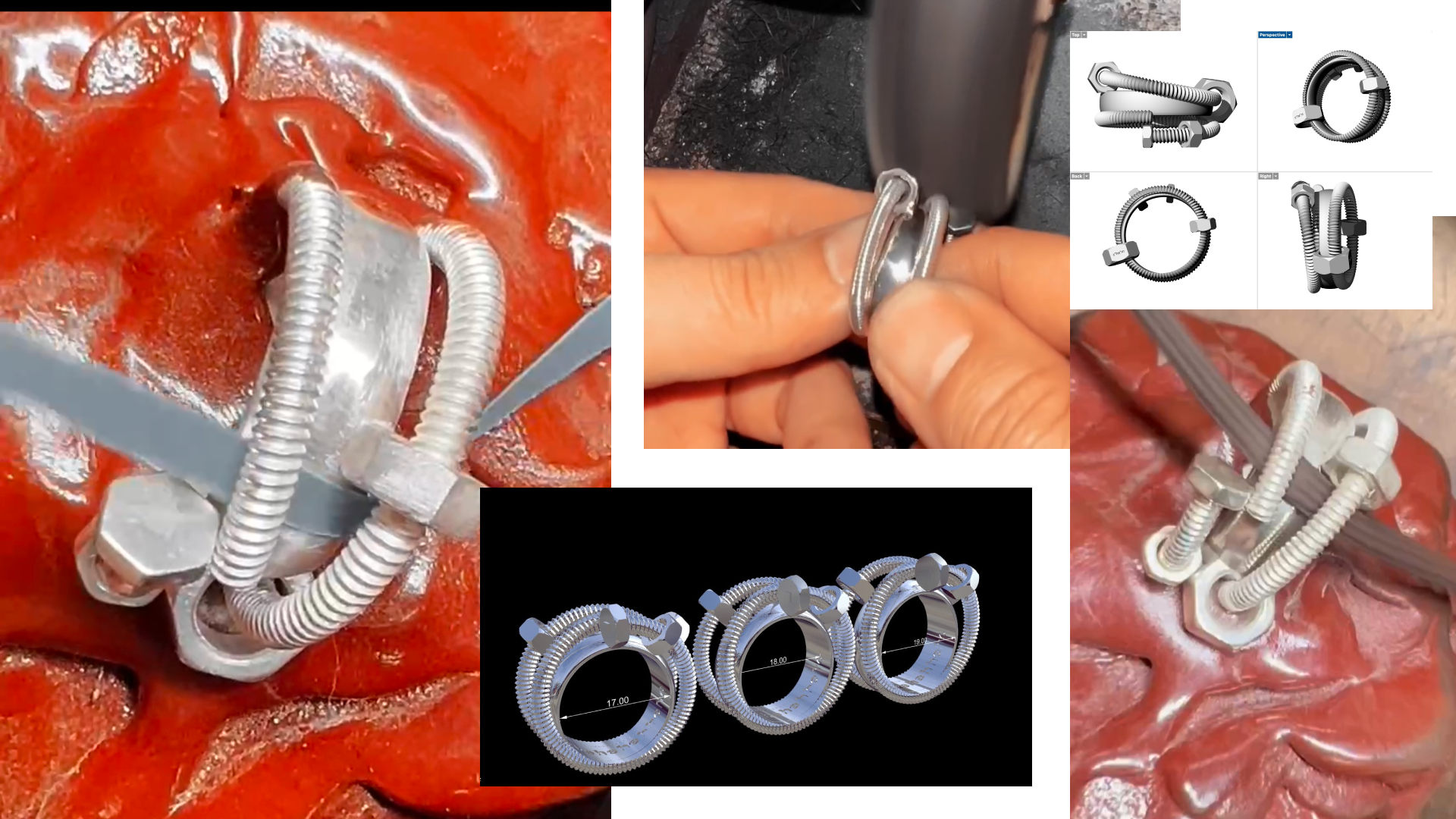
I worked with a jewelry manufacturer to learn how my 3D design was translated into a finished silver ring, from 3D modeling and CNC-machining the wax master, to investment molding, burnout, silver casting, filing, progressive sanding, polishing, and final finishing. I also had the opportunity to assist with parts of the hands-on process, gaining a deeper understanding of how digital precision and traditional craftsmanship come together to bring a design from screen to physical form.
Packaging
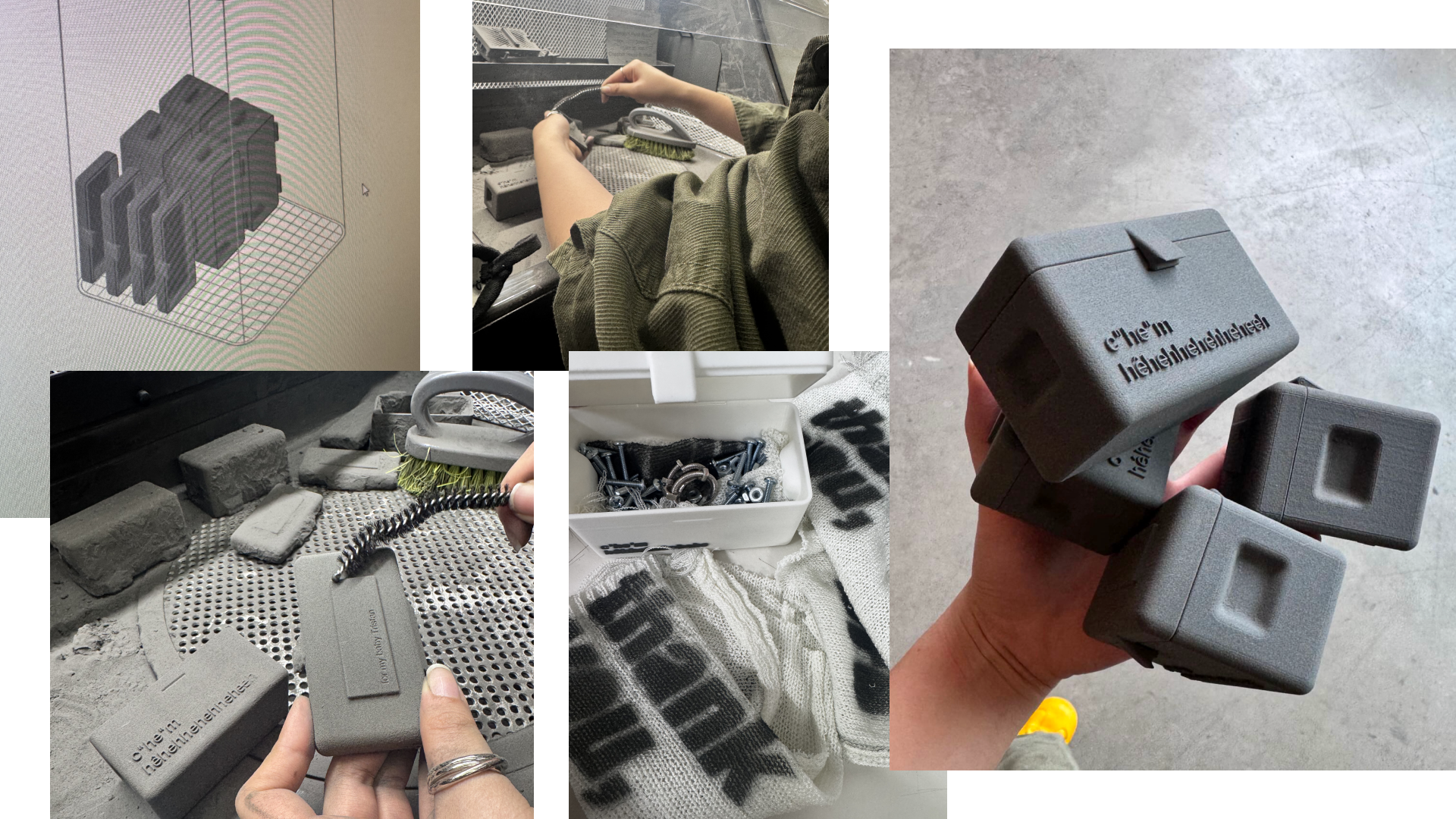
A ring needs a ring box, but this ring already belonged closer to a toolbox than a jewelry counter. Because the form references bolt threads, nuts, and workshop hardware, I designed the packaging as a small toolbox filled with real bolts, screws, and nuts.
I was not worried about the ring getting scratched inside the box. I wanted to embrace that possibility as part of the design language: the marks, contact, and roughness become proof that the object lives in the same world it came from.
Photoshoot
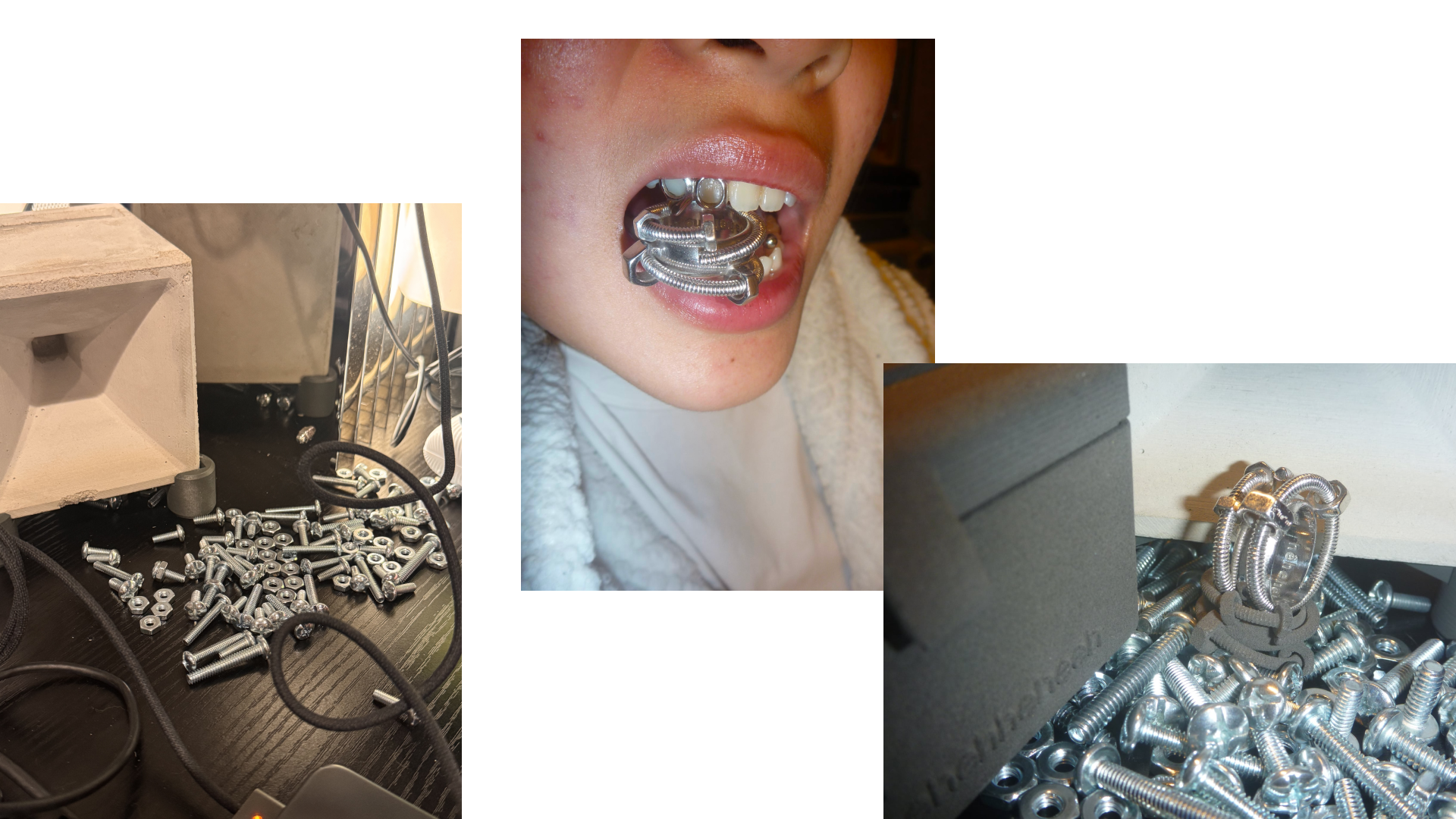
I kept the photoshoot small and close to the world of the object. I shot it at home, using myself, my table, and a desk lamp as the setting, so the ring could stay grounded in the same casual workshop-adjacent space it came from.
After shooting, I edited the images in Photoshop to push the contrast, mood, and shine a little further, turning a simple home setup into a more finished visual story.
Showcase